
The Ultimate Guide to Sim Racing Equipment.
Everything Kireth has learned from years of reviews, from your first wheel to a full direct drive rig. Product picks show live prices for your region, and each links to the store with a creator discount where one exists.
1. Define your goals
Start with how you race. Casual racing on a console needs different gear from league racing in iRacing or GT3 practice in ACC. Write down your platform, your main games and the type of cars you drive most.
Formula cars reward a quick, light wheel and stiff brakes. GT and road cars suit a round rim with paddles and a load-cell brake. Rally drivers need a handbrake and a sequential shifter.
2. Budget considerations
Put the most money into pedals and the wheelbase, in that order for lap time and that order again for fun. A solid, flex-free mount matters more than people expect: a desk clamp wastes a strong direct drive base.
Rough tiers: entry setups under £500, mid-range direct drive from around £700 to £1,500, and high-end setups above £2,000 once you add a cockpit and load-cell or hydraulic pedals. Always stack a creator code where one exists.
3. Wheelbases
Direct drive is now the default for anyone serious. 5–9 Nm suits most drivers, 12–15 Nm gives headroom for detail at low strength, and 20 Nm+ is for enthusiasts with a rigid cockpit.
Check platform support before you buy: many bases are PC-only, and console compatibility often depends on the wheel you attach.
Fanatec still has PlayStation-compatible hardware and a very established ecosystem.

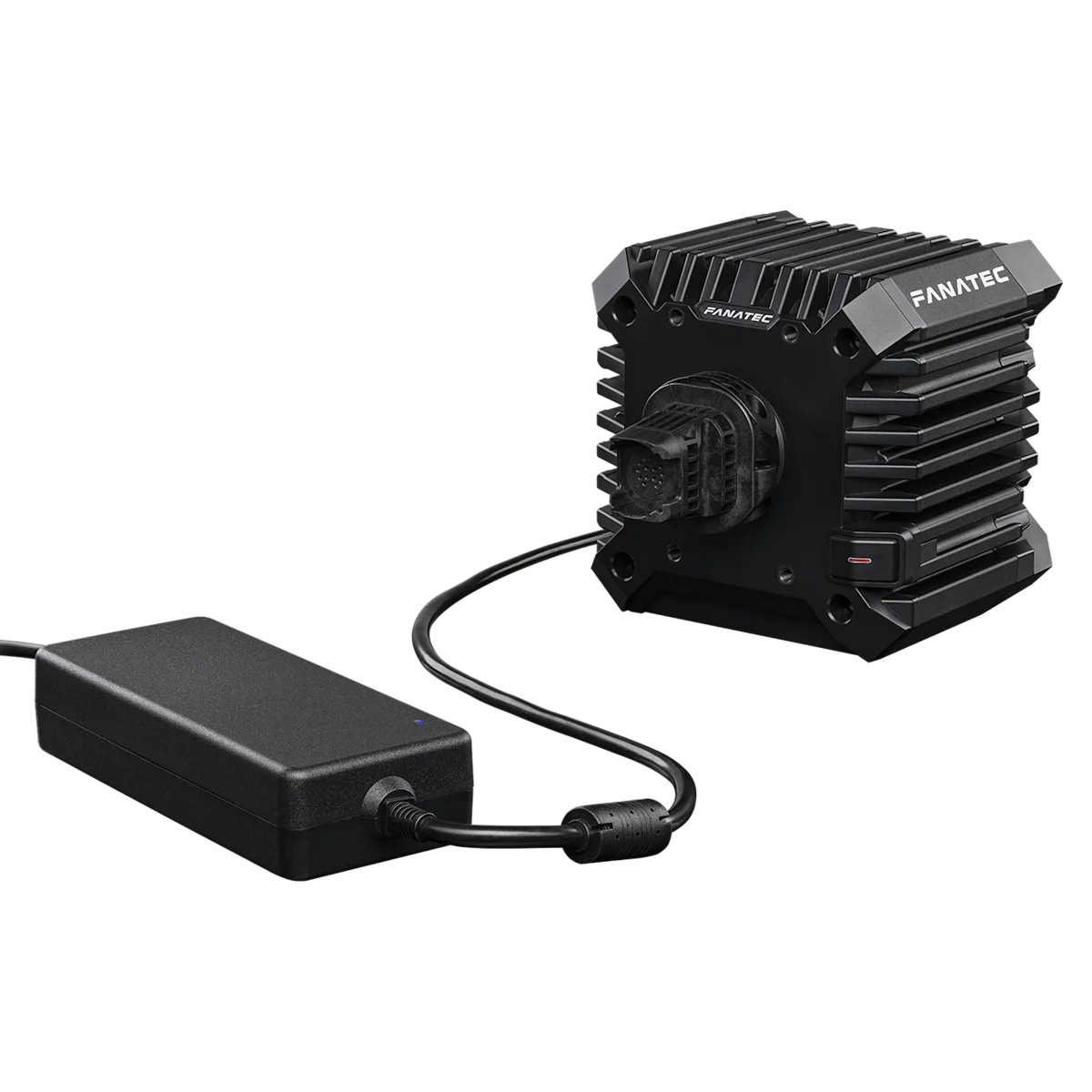
Fanatec CSL DD QR2 (8 Nm) FullForce
Explore Fanatec CSL DD QR2 (8 Nm) FullForce from Fanatec.
 EUR€429.95

Asetek La Prima™ GT Wheel + Base
Explore Asetek La Prima™ GT Wheel + Base from Asetek.
 USDUS$1,087.00
4. Pedals – where lap time lives
A load-cell brake measures pressure instead of travel, which is how your muscle memory works. It's the single biggest upgrade for consistency.
Hydraulic and active pedals add realism at the top end. Whatever you choose, make sure your seat and cockpit won't move when you press 100 kg or more.
They are not load-cell pedals, and both the throttle and brake are very easy to depress.

MOZA RACING CRP2 Pedals (Clutch only)
Explore MOZA RACING CRP2 Pedals (Clutch only) from MOZA Racing.
 GBP£98.90

Heusinkveld Ultimate+ Clutch only Black
Explore Heusinkveld Ultimate+ Clutch only Black from Heusinkveld.
EUR€379.00
Simagic P1000-3 Pedal Set, DS-8X Shifter & TB-1 Handbrake Bundle
Explore Simagic P1000-3 Pedal Set, DS-8X Shifter & TB-1 Handbrake Bundle from Simagic.
5. Steering wheels
Pick a rim that matches your cars: formula wheels for single-seaters, round rims for GT and road cars. Quick releases let you swap between them in seconds.
I would not say La Prima is budget. For other brands, it is actually more mid-range.
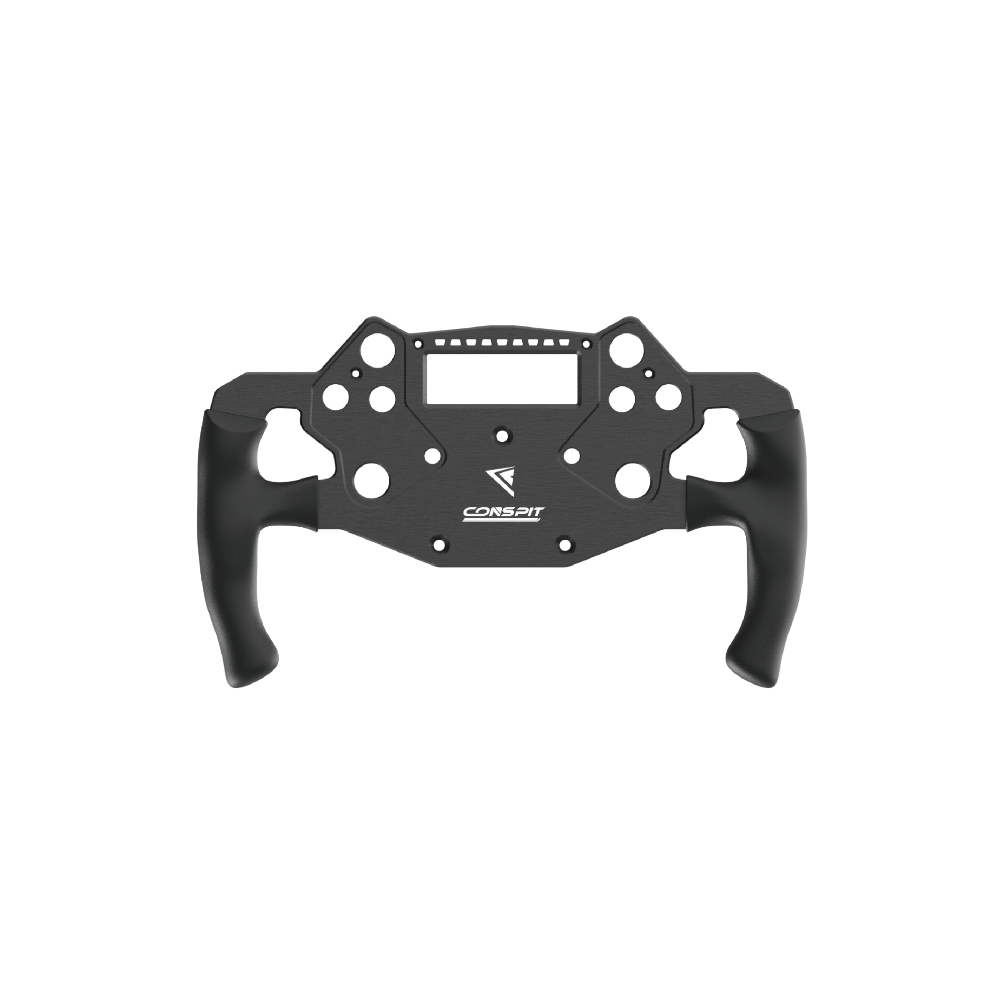
Conspit FX290 Wheel Rim
Explore Conspit FX290 Wheel Rim from Conspit.
USDUS$69.00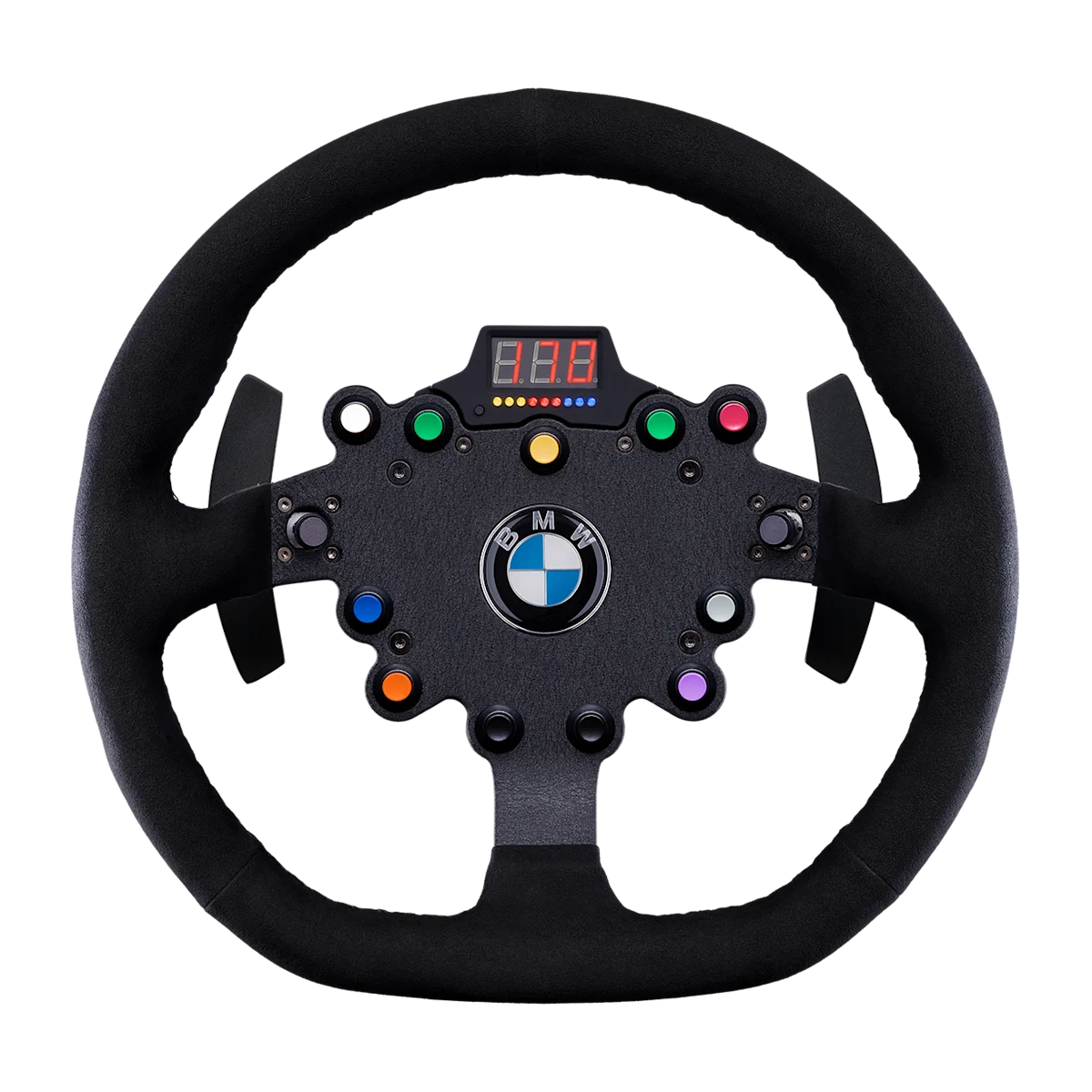
Fanatec ClubSport Steering Wheel BMW M3 GT2 V2
Explore Fanatec ClubSport Steering Wheel BMW M3 GT2 V2 from Fanatec.
GBP£279.99
ASCHER-RACING McLAREN ARTURA GT4
Explore ASCHER-RACING McLAREN ARTURA GT4 from Ascher Racing.
EUR€799.006. Rigs & seating
Aluminium profile cockpits are the upgrade path most drivers end up on: rigid, adjustable and easy to add monitor and accessory mounts to. Wheel stands suit smaller spaces and lighter bases.


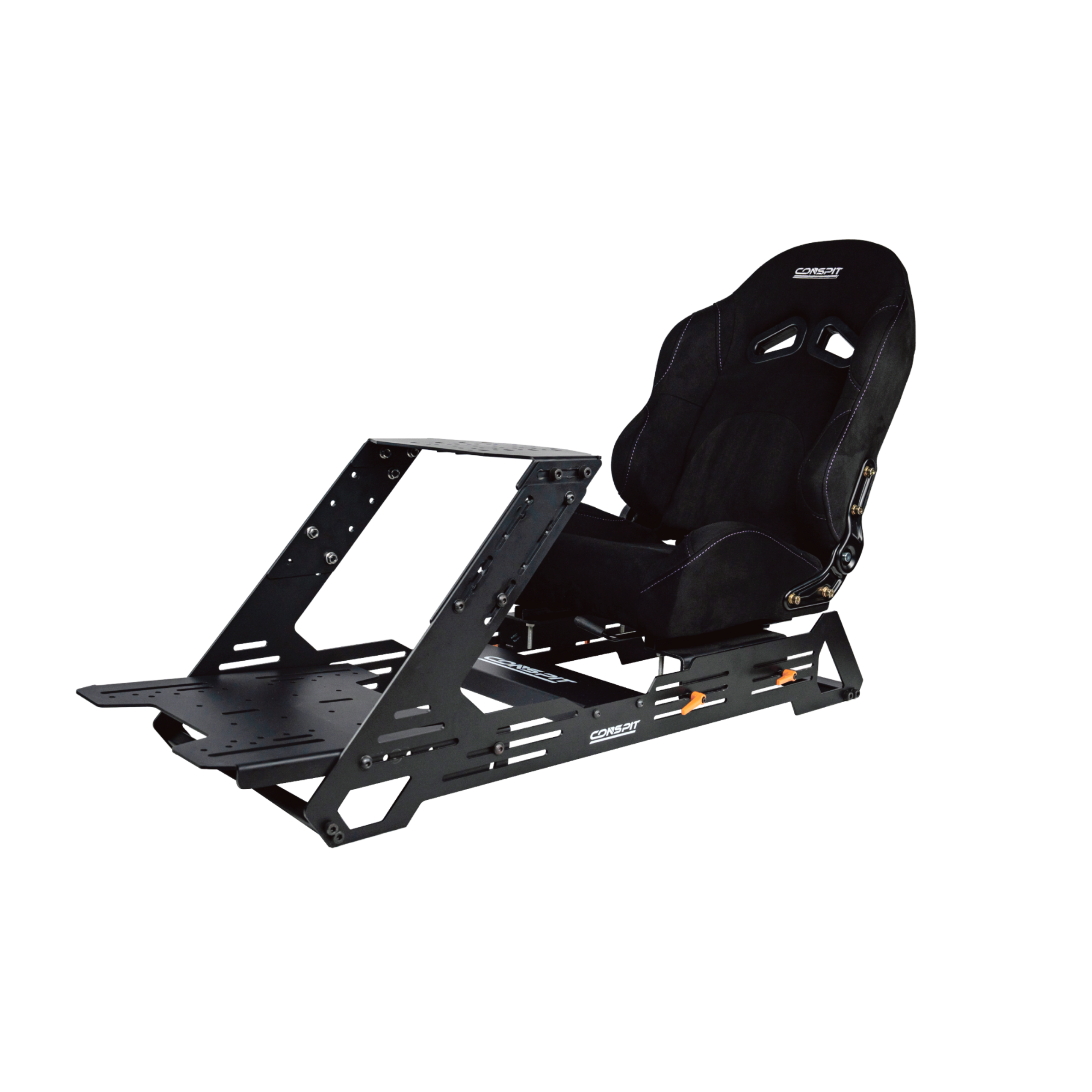
Conspit GT-B Kids Rig
Explore Conspit GT-B Kids Rig from Conspit.
USDUS$479.007. Displays & VR
Triple monitors give great peripheral vision. Ultrawides are simpler. VR gives unmatched depth and sense of speed, and a high-end headset can cost less than a triple-screen setup.
This is the Dream Air with inside-out SLAM tracking, so it does not need a Lighthouse.


Crystal Super Lighthouse Faceplate
Explore Crystal Super Lighthouse Faceplate from Pimax.
USDUS$175.95
Pimax Crystal Light Event Edition
Explore Pimax Crystal Light Event Edition from Pimax.
USDUS$853.008. Shifters, handbrakes & extras
An H-pattern shifter and a handbrake transform rally and drifting. Button boxes help in endurance racing. Add these last: they won't make you faster in GT or formula cars.
9. Platforms – PC vs console
PC gives the widest hardware and game choice: iRacing, ACC, Le Mans Ultimate, rFactor 2. Console locks you into compatible hardware but is simpler. Gran Turismo 7 on PlayStation and Forza on Xbox remain the big console titles.
10. Games & where sim racing is heading
iRacing leads online competition, Le Mans Ultimate is growing fast for endurance, and ACC remains the GT3 benchmark. Kireth covers the news every week on the Sim Racing Show.
Ready to build yours?
Use the rig builder to put together a complete setup in your budget, or browse every brand for the current KIRETH discount codes.